- ESX
- QBCore
- Qbox
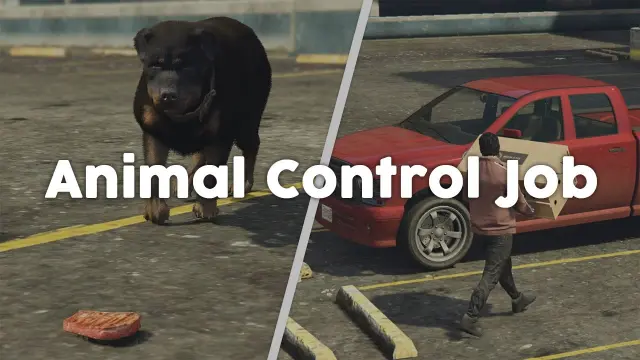
Animal Control Job
Six-step FiveM animal control job for ESX, QBCore, and Qbox — bait placement, habitat-specific spawns, server-side anti-cheat, anti-grief job cancellation, and configurable per-animal payouts at 0.02ms resmon.
Everything filed here names Qbox among the frameworks it supports. Qbox ships with more already wired in than the frameworks it descends from, so much of what you would add elsewhere is a configuration question here instead. Check the listing before buying something your core already does.
Six-step FiveM animal control job for ESX, QBCore, and Qbox — bait placement, habitat-specific spawns, server-side anti-cheat, anti-grief job cancellation, and configurable per-animal payouts at 0.02ms resmon.
ox_inventory rework for FiveM with metadata-driven item uniqueness, configurable rarity tiers, backpack system, and built-in crafting UI. ESX, QBCore & Qbox. Base script unencrypted.
ElevenLabs-powered TTS notification script for FiveM — fire voiced, holographic alerts from any resource via a single export. Smart caching, 30+ languages. ESX, QBCore, Qbox compatible.
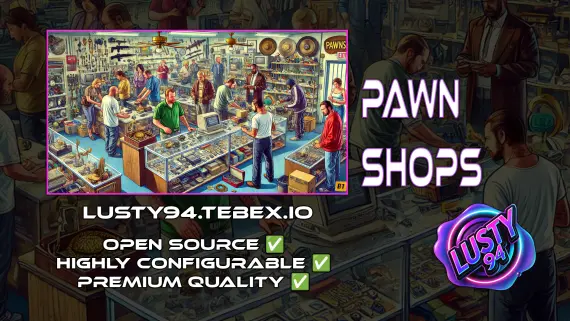
FiveM pawn shop script with dirty money payout routing, unlimited map locations, player-owned shop support, and anti-exploit event guards. QBCore, ESX, Qbox — configurable buy-sell economy in one resource.
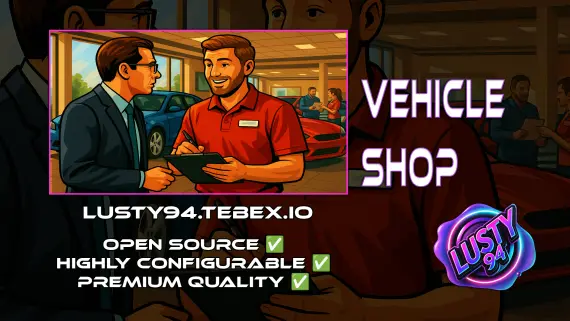
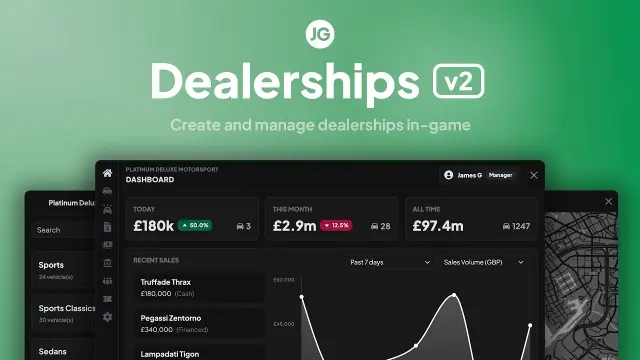
QBCore dealership script with public showrooms — test drives, financing, license checks — and player-owned operations with stock ordering, employee commissions, and sell-back. Tested with ox_lib, oxmysql, and major banking/inventory resources.
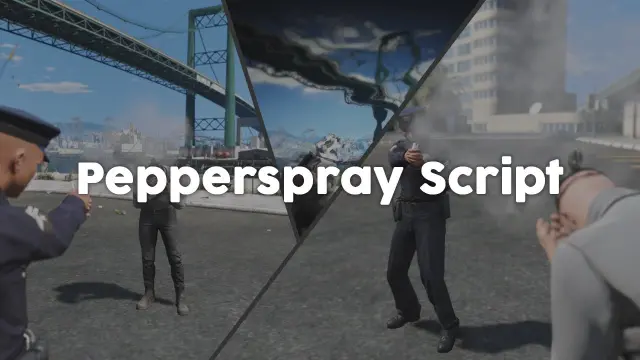
Adds a job-restricted pepper spray addon weapon to FiveM with configurable cone, range, paralysis duration, and gas mask immunity. ESX, QBCore, Qbox. Under 0.03ms at peak.
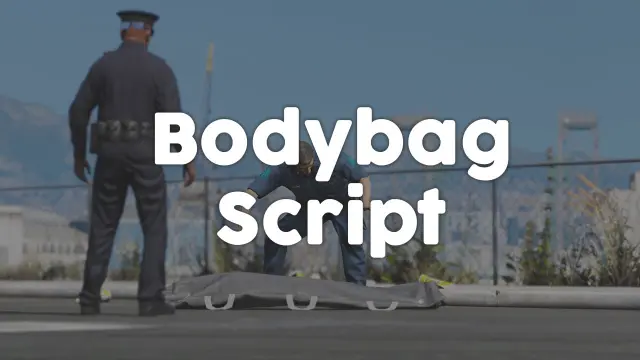
Close crime scenes properly with bodybag placement, configurable job or item gates, statebag sync that survives restarts, and 0.00ms overhead. ESX, QBCore, and Qbox supported.
Free FiveM towing job script with NPC missions, player-to-player requests, /towbilling to society accounts with optional commission splits, and server-side anti-exploit distance checks. QBCore, ESX, Qbox.
New
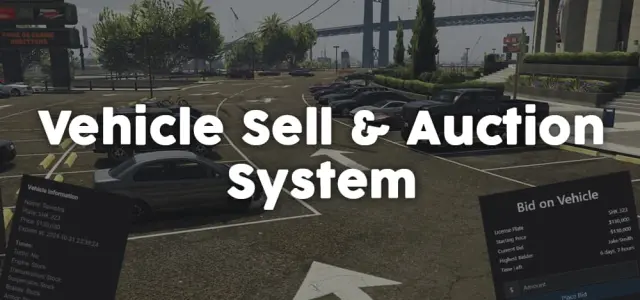
Player-to-player FiveM vehicle marketplace with fixed-price listings and timed auctions, real-time bidding, full mod spec preservation, dynamic lot entity management, and server-side validation. ESX, QBCore, Qbox.
Complete FiveM drug operation script for ESX, QBCore, and Qbox — upgradeable labs, burner phone dark web sourcing, multi-drug production, built-in money laundering, and 0.00ms server load.
Free, open-source FiveM drone script with full controller support, Fivemanage aerial screenshots, night vision, configurable HUD, and signal-loss mechanics. ESX, QBCore & Qbox ready.
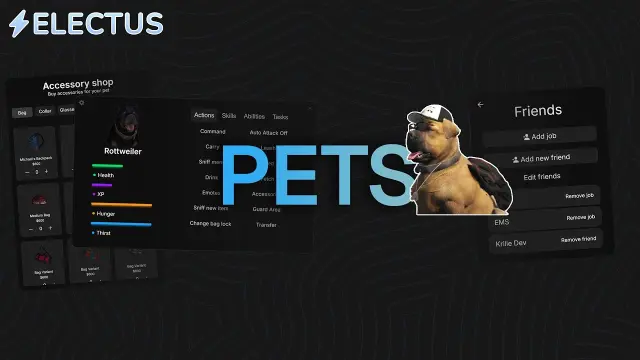
Dynamic pet system featuring leveling, breeding, and over 400 accessories
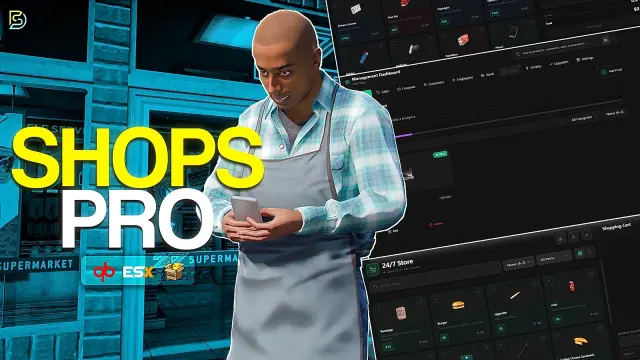
Custom Shops Pro is a full player-owned shop system for FiveM with loyalty tiers, coupon campaigns, pawn and dirty money support, 55+ staff permissions, and deep analytics across ESX, QBCore, and QBox.
Multicharacter, the join queue, and multijob and multigang handling live insideqbx_core. ox_lib, ox_inventory and ox_target cover a lot of what separate
resources provide on other stacks. The practical effect is that a Qbox build needs
fewer add-ons than a bare framework install, and the first thing worth checking on
any listing is whether it duplicates something you already have.
qbx_core already do it? The most common wasted purchase on a Qboxox_lib, and itemox_inventory. These are assumptions, not options.ox_target is the usual hook. A resource written for a differentA resource listed here supports Qbox. Whether it suits your server is a separate
judgement made from the requirements, the preview media and the feature list on
its own page.
The same catalogue filtered by the other frameworks sits under
QBCore and ESX. For a server
assembled up front, see the readymade builds, and for
the map layer, the MLO interiors.
Usually. ox_lib is a near-universal dependency, item handling expects ox_inventory, and interaction scripts generally hook ox_target. Each listing names what it requires.
Some do, because Qbox retains a degree of compatibility, and some are explicitly built for both. Others rely on qb-core internals that are not present. The framework labels on each listing are the place to check rather than assuming.
Because qbx_core already handles them. Multicharacter, the join queue and multijob are built in, so there is less to add.
Not always. Some are native, others reach Qbox through a compatibility layer around QBCore code. The listing's requirements and version notes are the place that distinction shows up.
A server runs one framework. Resources that list both are built to detect which is running; they do not let you run the two side by side.