Prodigy 2.0 Inventory System

ox_inventory rework for FiveM with metadata-driven item uniqueness, configurable rarity tiers, backpack system, and built-in crafting UI. ESX, QBCore & Qbox. Base script unencrypted.

5.0 (2 reviews)
esx qbcore qbox
$40.00
Secure checkout by Tebex Digital delivery after checkout Tebex Your Game Studio, Extended.
Overview
Reviews 2

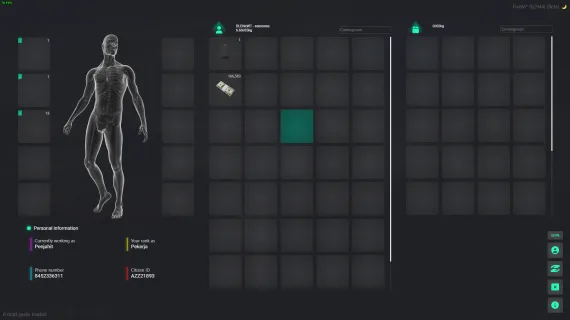
ox_inventory is the functional baseline most servers use. Prodigy 2.0 is what happens when someone rebuilds that baseline around metadata — every item can carry internal data that makes it unique from every other copy of the same item. A weapon with a serial number, a key tied to a specific property, a document with a player's name embedded — these aren't tricks or workarounds, they're native to how this inventory handles items.

What Makes This Different from Standard ox_inventory

The metadata architecture is the core distinction. Where ox_inventory treats two identical items as interchangeable, this rework identifies each item individually through its metadata payload. That unlocks item uniqueness, conditional logic based on item state, and the rarity system — items can be classified across rarity tiers using their metadata, which opens up loot-table logic, collectibles, and quality-tiered gear without custom workarounds.

  • Metadata-driven item uniqueness — each item instance carries its own internal data
  • Item rarity system configurable via metadata — common through legendary tiers
  • Backpack system: players choose whether to use a backpack, with configurable slot and weight modifiers
  • Special slot customization — designated hotbar or equipment slots
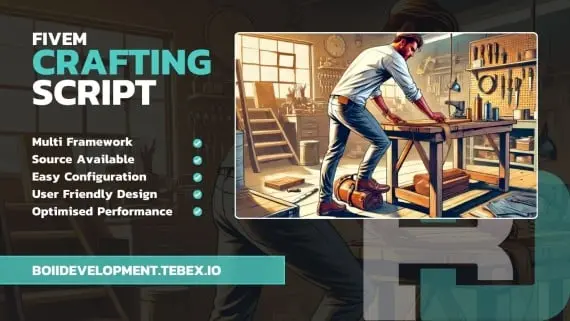
  • Built-in crafting table with dedicated UI — no separate crafting resource required
  • Based on ox_inventory v2.43.5 — base script unencrypted; only custom additional functions are in escrow
  • Smooth performance optimization throughout

Dependencies

Requires oxmysql. Target system (qb-target or ox_target) is optional. Compatible with qb-core, es_extended, and qbx_core.

Framework Compatibility

ESX, QBCore, and Qbox are all supported with their respective framework hooks pre-built.

The Honest Assessment

If your server uses ox_inventory as-is and you're satisfied, this isn't an upgrade you need. But if you're running workarounds to track unique weapons, building a custom rarity system on top of standard items, or maintaining a separate crafting resource that fights with your inventory — Prodigy 2.0 solves all three in one resource. The escrow covers only the custom additions layered on top; the ox_inventory base you can read and audit yourself.

Installation plan

Set up Prodigy 2.0 Inventory System safely

Use the documentation included with the download as the final authority. This plan helps you prepare a rollback, install in the right order, and verify the resource before it reaches players.

Resource type
FiveM script
Compatibility shown
ESX QBCore Qbox
Catalog category
ESX Scripts
Package source
Shop Tebex
  1. Audit the package and requirements

    Open the supplied documentation before moving files or changing the database. Build the install order from the package, not from assumptions.

    • Identify the actual resource folder, required dependencies, and supported framework version.
    • Locate any SQL, configuration examples, permissions, or optional integrations.
    • Check whether the documentation requires a specific start order.

    Ready when Every dependency and required file has a place in your install plan.

  2. Create a rollback point

    Prepare the server so the change can be reversed cleanly if the resource conflicts with your current stack.

    • Keep an untouched copy of the downloaded package.
    • Back up the database and every configuration file you will edit.
    • Use a test server or schedule a maintenance window before changing production.

    Ready when You can restore the previous database, files, and configuration.

  3. Install in the documented order

    Apply only the changes supplied for this resource, keeping dependency and startup order intact.

    • Place the resource folder where your server loads resources, without renaming it unless instructed.
    • Install dependencies first, then import included SQL once and review configuration values.
    • Add the documented resource name to the server startup configuration after its dependencies.

    Ready when The resource starts without missing files, exports, tables, or dependencies.

  4. Verify the complete player flow

    Restart the test server, watch both server and client consoles, and exercise the resource before opening it to players.

    • Test the main workflow with an authorized player and a player without permission.
    • Reconnect and restart once to confirm saved state and startup behavior.
    • Review console output again before promoting the same configuration to production.

    Complete when The intended flow works twice with no new console errors.

Support reference Use the exact listing name when you contact support.
Prodigy 2.0 Inventory System Contact support

Prodigy 2.0 Inventory System compatibility and specs

Frameworks
ESX · QBCore · Qbox
Category
Delivery
After checkout — order download link
Product terms
See product details — terms vary by resource
5.0
2 reviews
5★
100%
4★
0%
3★
0%
2★
0%
1★
0%
L
Liam P. VERIFIED
ProjectRP

Migrating our city over to Qbox and this inventory worked right away. Download pack on keymaster was slightly messy (missing a readme file) but the resource itself is solid.

P
Piotr Z. VERIFIED
Cityscape RP

Tested it on our local dev build for three days before moving it live. After seeing how smoothly the rarity and crafting work, it was well worth the purchase.

Write a review

Reviews are moderated before appearing. Purchased the product? Your review gets a VERIFIED badge automatically.

20 chars minimum
[ You might also like ]

Related scripts

About this FiveM script

Prodigy 2.0 Inventory System is a FiveM resource for esx, qbcore, qbox servers. Review the product details, requirements, and compatibility notes before ordering.

Use the included files and documentation as the source of truth for installation, configuration, dependencies, and any stated performance information.