

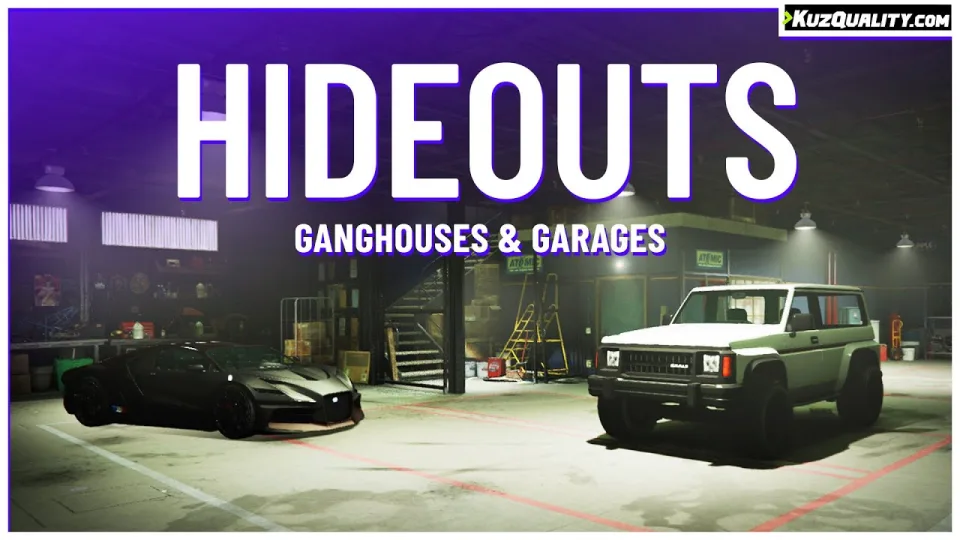
KuzQuality Hideouts 2.0
Shelved in ESX Scripts110 products on this shelf QBCore Scripts119 products on this shelf Qbox Scripts120 products on this shelf
$10.00
Secure checkout by Tebex
Digital delivery after checkout
Tebex
Your Game Studio, Extended.
Overview
Reviews
KuzQuality Hideouts 2.0 adds purchasable locations across the map where players can stash both personal and stolen vehicles. Stored vehicles save directly to the database with all modifications, fuel levels, engine damage, and visual body deformation preserved.
Drive inside with passengers to bring friends into your instance, or set an access password so trusted players can enter while you are offline. Hideouts also double as private maintenance bays where players can wash and repair their rides.
Key Features
- Vehicle Persistence: Saves upgrades, fuel levels, mechanical damage, and visual deformation directly to the database.
- Access Controls: Set password protection for shared offline access or assign hideouts to specific jobs.
- Passenger Entry: Pull into the hideout with passengers in your seats to bring them inside with you.
- Maintenance: Wash and repair vehicles inside the hideout.
- Storage Limits: Blacklist specific vehicle classes like emergency vehicles, enforce size restrictions, or prevent players from storing vehicles owned by others.
- Developer API: Trigger custom events via the included API file whenever hideout actions occur.
- Optimized Performance: Runs at 0.00ms idle resmon.
Framework Compatibility
Works with ESX and QBCore right out of the box. All framework and dependency code remains open and editable so you can adapt it to custom framework setups.
Note: The script currently does not include a feature to sell owned hideouts.
Installation
- Move the resource into your
resourcesdirectory. - Run the included SQL against your server's database — stored vehicles, their modifications, fuel and damage persist there.
- Add an
ensureline for it toserver.cfg. - In the config, blacklist the vehicle classes you do not want stashed, set any size restriction, and decide whether hideouts can be assigned to jobs.
- Restart, buy a hideout in-game and drive in with a passenger to confirm they come through with you.
Installation plan
Set up KuzQuality Hideouts 2.0 safely
Use the documentation included with the download as the final authority. This plan helps you prepare a rollback, install in the right order, and verify the resource before it reaches players.
- Resource type
- FiveM script
- Catalog category
- ESX Scripts
- Package source
- KuzQuality Tebex
-
Audit the package and requirements
Open the supplied documentation before moving files or changing the database. Build the install order from the package, not from assumptions.
- Identify the actual resource folder, required dependencies, and supported framework version.
- Locate any SQL, configuration examples, permissions, or optional integrations.
- Check whether the documentation requires a specific start order.
Ready when Every dependency and required file has a place in your install plan.
-
Create a rollback point
Prepare the server so the change can be reversed cleanly if the resource conflicts with your current stack.
- Keep an untouched copy of the downloaded package.
- Back up the database and every configuration file you will edit.
- Use a test server or schedule a maintenance window before changing production.
Ready when You can restore the previous database, files, and configuration.
-
Install in the documented order
Apply only the changes supplied for this resource, keeping dependency and startup order intact.
- Place the resource folder where your server loads resources, without renaming it unless instructed.
- Install dependencies first, then import included SQL once and review configuration values.
- Add the documented resource name to the server startup configuration after its dependencies.
Ready when The resource starts without missing files, exports, tables, or dependencies.
-
Verify the complete player flow
Restart the test server, watch both server and client consoles, and exercise the resource before opening it to players.
- Test the main workflow with an authorized player and a player without permission.
- Reconnect and restart once to confirm saved state and startup behavior.
- Review console output again before promoting the same configuration to production.
Complete when The intended flow works twice with no new console errors.
Support reference
Use the exact listing name when you contact support.
KuzQuality Hideouts 2.0
Contact support
KuzQuality Hideouts 2.0 compatibility and specs
Category
Creator
Delivery
After checkout — order download link
Product terms
See product details — terms vary by resource
No reviews yet — be the first to write one.
Write a review
Reviews are moderated before appearing. Purchased the product? Your review gets a VERIFIED badge automatically.
[ You might also like ]
Related scripts
- ESX
- QBCore
- Qbox
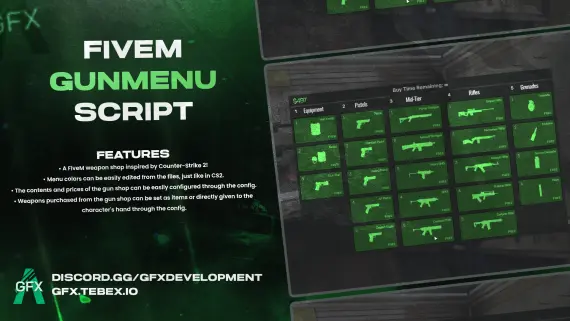
GFX GunMenu for FiveM
CS2-style FiveM gun menu with configurable colors, stock, and pricing. Delivers weapons to inventory or hand. Minimal setup. ESX, QBCore, Qbox and standalone compatible.
$10.00

 Sale
Sale
 Sale
Sale
- ESX
- QBCore
- Qbox
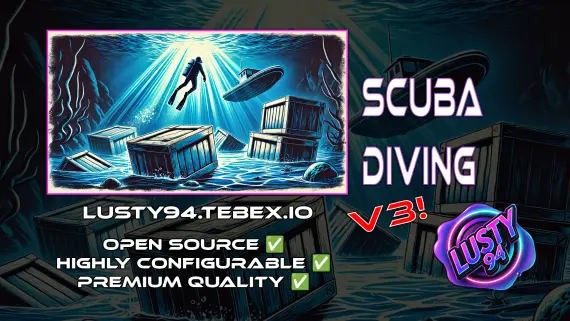
Advanced Scuba Diving V3
Advanced Scuba Diving V3 builds a full underwater economy: boat rental, oxygen-tracked dive tanks, shipwreck loot, skill-based crate minigames, and a quest system with XP leaderboard. ESX, QBCore, Qbox — one purchase.
$9.00
$10.00
 Sale
Sale
 Sale
Sale
- ESX
- QBCore
- Qbox
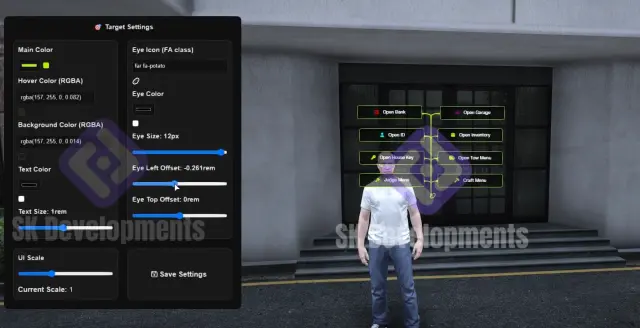
ProdigyRP 2.0 Inspired Target | ox_target Redesign
ProdigyRP 2.0-inspired ox_target UI redesign for FiveM. Smooth eye animations, sprite icons, configurable colors and transparency. Drag-and-drop install, all frameworks supported.
$15.00
$30.00
- ESX
- QBCore
- Qbox
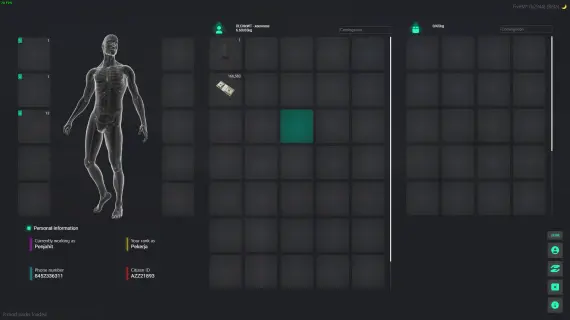
Prodigy 2.0 Inventory System
ox_inventory rework for FiveM with metadata-driven item uniqueness, configurable rarity tiers, backpack system, and built-in crafting UI. ESX, QBCore & Qbox. Base script unencrypted.
$40.00
 Sale
Sale
 Sale
Sale
About this FiveM script
KuzQuality Hideouts 2.0 is a FiveM resource for esx, qbcore, qbox servers. Review the product details, requirements, and compatibility notes before ordering.
Use the included files and documentation as the source of truth for installation, configuration, dependencies, and any stated performance information.