- ESX
- QBCore
- Qbox
Prodigy 2.0 Inventory System
ox_inventory rework for FiveM with metadata-driven item uniqueness, configurable rarity tiers, backpack system, and built-in crafting UI. ESX, QBCore & Qbox. Base script unencrypted.
$40.00

Everything filed here names QBCore among the frameworks it supports. That is a starting point, not a guarantee: a resource can target qb-core and still expect a particular inventory, targeting system or database layout. Open the listing and read the requirements before you buy.
ox_inventory rework for FiveM with metadata-driven item uniqueness, configurable rarity tiers, backpack system, and built-in crafting UI. ESX, QBCore & Qbox. Base script unencrypted.

ElevenLabs-powered TTS notification script for FiveM — fire voiced, holographic alerts from any resource via a single export. Smart caching, 30+ languages. ESX, QBCore, Qbox compatible.
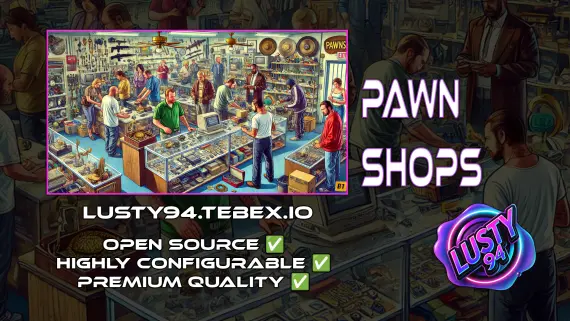
FiveM pawn shop script with dirty money payout routing, unlimited map locations, player-owned shop support, and anti-exploit event guards. QBCore, ESX, Qbox — configurable buy-sell economy in one resource.
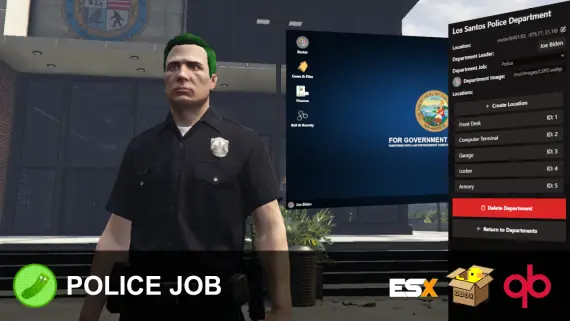
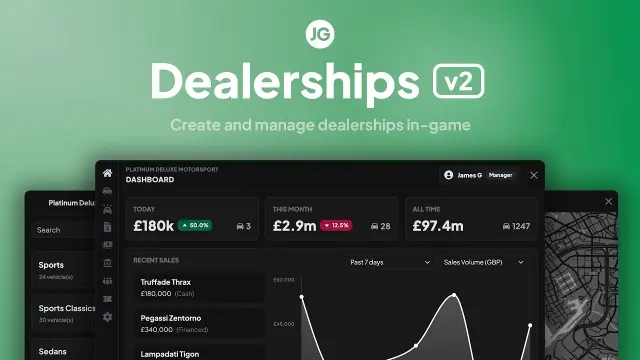
QBCore dealership script with public showrooms — test drives, financing, license checks — and player-owned operations with stock ordering, employee commissions, and sell-back. Tested with ox_lib, oxmysql, and major banking/inventory resources.
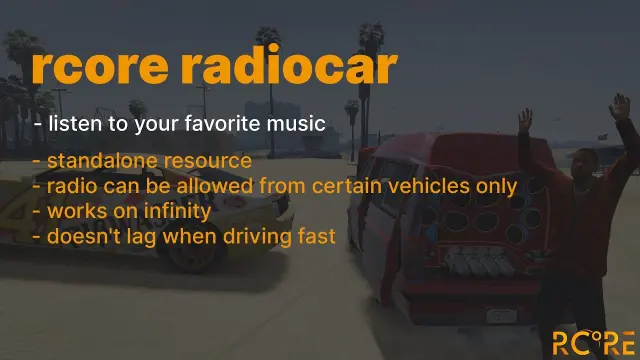
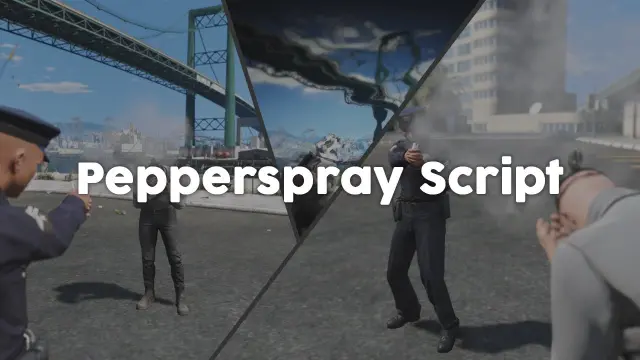
Adds a job-restricted pepper spray addon weapon to FiveM with configurable cone, range, paralysis duration, and gas mask immunity. ESX, QBCore, Qbox. Under 0.03ms at peak.
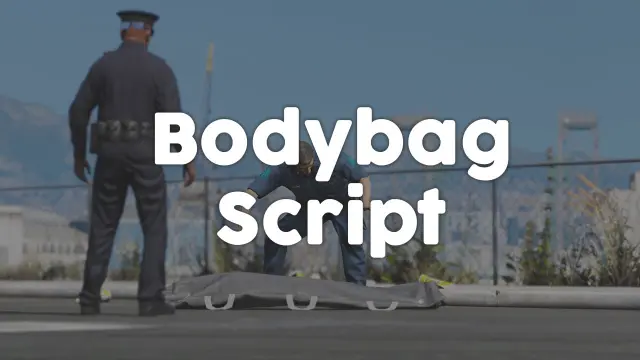
Close crime scenes properly with bodybag placement, configurable job or item gates, statebag sync that survives restarts, and 0.00ms overhead. ESX, QBCore, and Qbox supported.
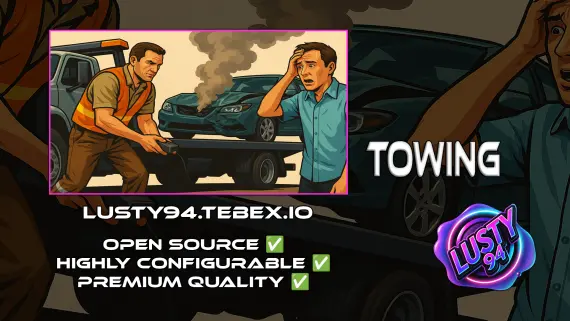
Free FiveM towing job script with NPC missions, player-to-player requests, /towbilling to society accounts with optional commission splits, and server-side anti-exploit distance checks. QBCore, ESX, Qbox.
 New
New
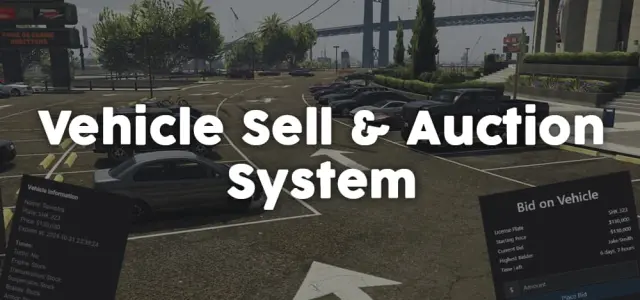
Player-to-player FiveM vehicle marketplace with fixed-price listings and timed auctions, real-time bidding, full mod spec preservation, dynamic lot entity management, and server-side validation. ESX, QBCore, Qbox.
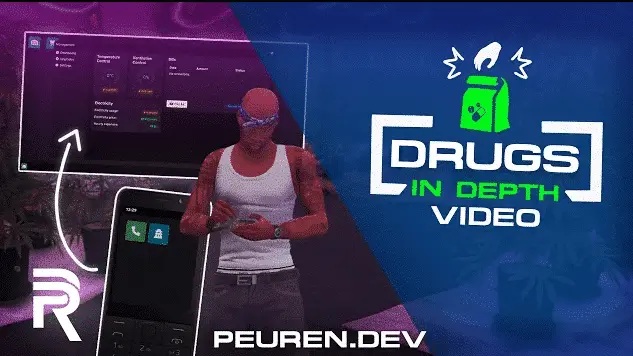
Complete FiveM drug operation script for ESX, QBCore, and Qbox — upgradeable labs, burner phone dark web sourcing, multi-drug production, built-in money laundering, and 0.00ms server load.
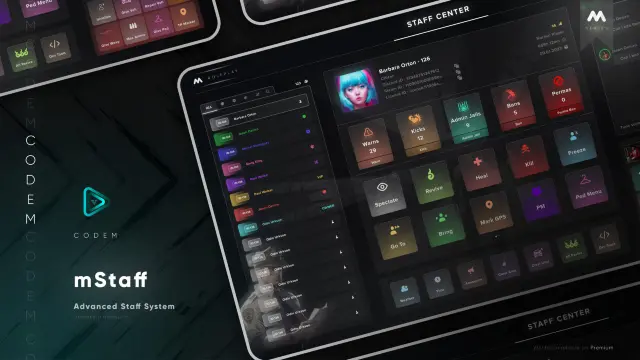

Free, open-source FiveM drone script with full controller support, Fivemanage aerial screenshots, night vision, configurable HUD, and signal-loss mechanics. ESX, QBCore & Qbox ready.
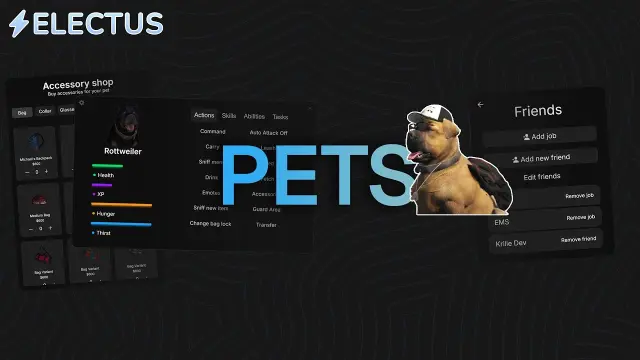
Dynamic pet system featuring leveling, breeding, and over 400 accessories
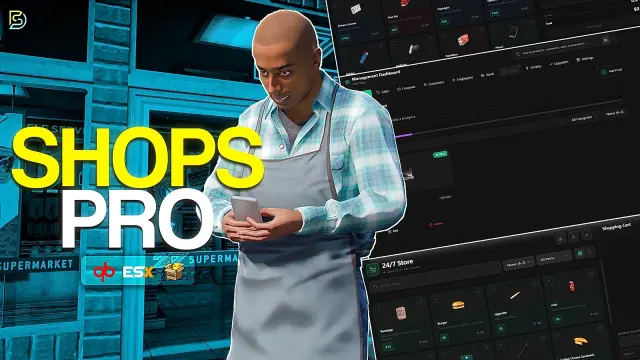
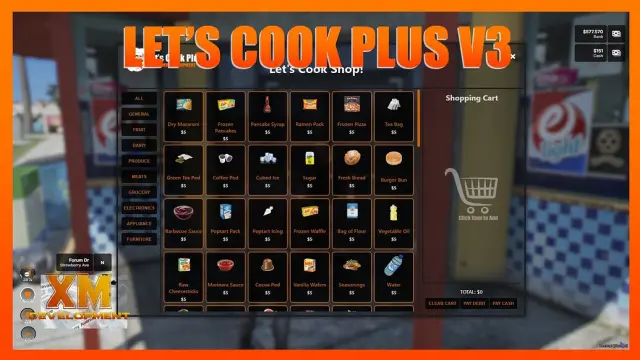
Custom Shops Pro is a full player-owned shop system for FiveM with loyalty tiers, coupon campaigns, pawn and dirty money support, 55+ staff permissions, and deep analytics across ESX, QBCore, and QBox.
A listing that names QBCore is telling you the resource speaks the framework's
player, job and money exports. It is not telling you which inventory it draws
into, which targeting resource it hooks, or which version of qb-core it was
built against. Those are separate answers and they live in the listing's own
requirements section.
qb-core version. A resource written against an older core can calloxmysql or another wrapper.A fork that renamed exports is a different target, however close it looks. If you
run one, treat QBCore support as a strong hint and verify against the fork's own
documentation rather than assuming a clean drop-in.
Framework compatibility is a filter, not a shelf. Most resources here also appear
under ESX or Qbox because they
support more than one. If you are starting from nothing rather than adding to a
running server, the readymade builds are assembled
rather than assorted. For the map side of a build, see the
MLO interiors.
It means the resource uses QBCore's framework exports. Your inventory, targeting resource, database wrapper and core version still have to line up. Each listing states what it was built and tested against; read that section before you buy.
Sometimes. A fork that kept the original export names usually works. One that renamed or removed them does not, and no framework label can tell you which you have. Check the resource's requirements against your fork's documentation.
Because many of them genuinely support more than one framework. The framework pages are filters over the same catalogue, not separate stock.
Treat the dependency as part of the price. Some are free and widely used, others are paid resources in their own right. The listing names them so you can check before checkout rather than after.
Where the resource publishes them, yes. The listing is the authoritative place for supported versions, required resources and what changed; this page only groups by framework.