A well-built FiveM progression system is the quiet reason some servers hold 200 players a year after launch while others bleed out in six weeks. New content gives you a spike; a FiveM progression system gives every player a personal reason to log in on a random Tuesday when nothing special is happening. This guide covers how to design levels, skill trees, XP sources and unlocks that reward time invested — without turning your roleplay server into a spreadsheet grinder.
Long-Term Goals Beat Daily Novelty
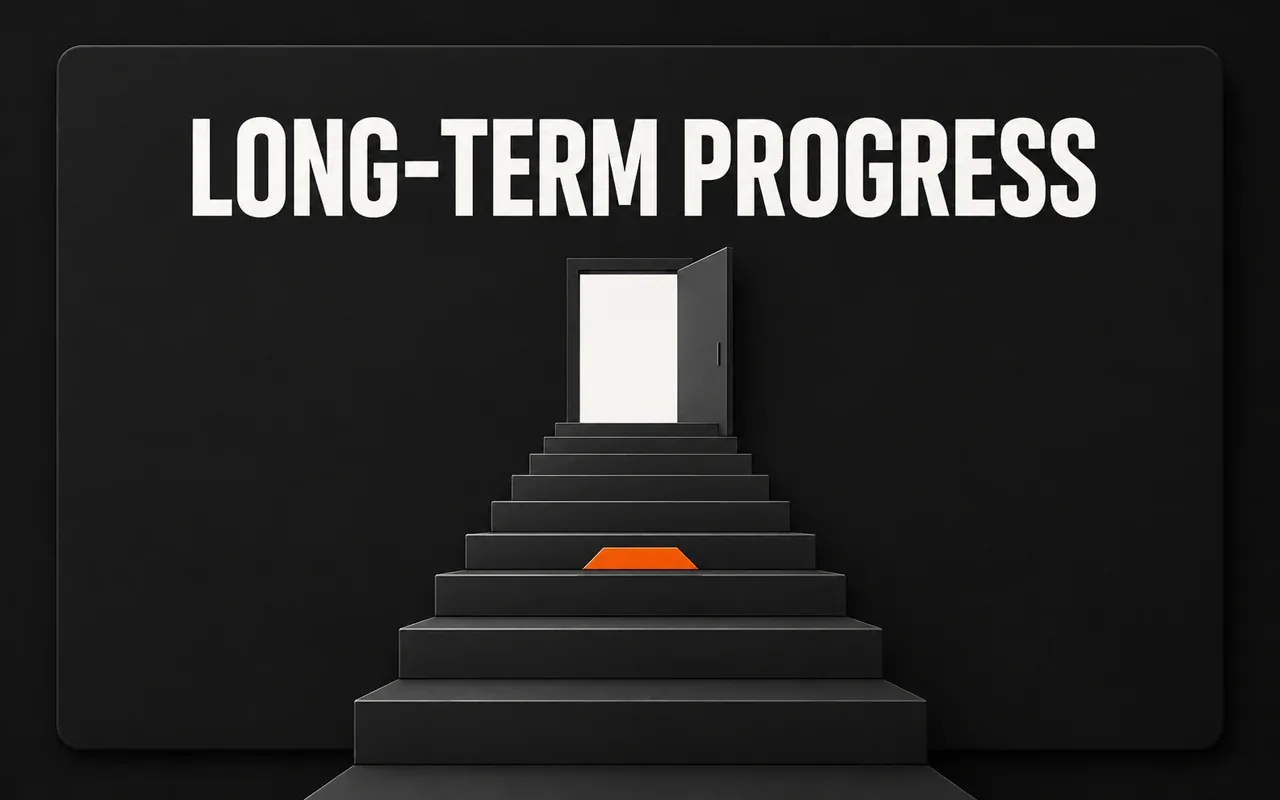
Content drops decay fast. A new heist or dealership refresh pulls lapsed players back for a weekend, then the curve slides right back to baseline. A goal that takes 60 hours to reach doesn’t decay the same way, because the pull isn’t the content — it’s the 73% progress bar the player already owns.
The design target is simple: every player on your server should be able to name the thing they’re working toward. A trucker two levels from hauling hazmat, a mechanic ten crafts from tier-3 tuning parts, a gym rat closing in on max stamina. If a random player can’t answer “what are you grinding for right now?”, your progression layer has a hole where that player’s retention should be.
Skill Trees That Map to What Players Already Do
The strongest skill trees deepen activities players already enjoy instead of gating unrelated content behind them. Driving skill should reduce trailer sway and unlock heavier license classes — not raise combat damage. Crafting skill opens recipe tiers, shortens craft timers and cuts failure rates. Job skills feed grade promotions, and fitness converts gym reps into stamina and carry weight (a one-line maxWeight bump in ox_inventory does the job).
Keep trees per-activity rather than one global level. A global level 40 tells you the player has been online a lot; a driving 40 tells you they’ve spent real hours behind the wheel, and it lets criminal-lane and civilian-lane players progress in parallel without competing for the same bar.
XP Sources — and Keeping Macros From Farming Them
Every XP grant must originate server-side from a validated action. The server assigned the delivery coordinate, watched the route get driven, and confirmed the drop — so the server awards the XP. The moment a bare client event can call AddXP, someone’s Discord will ship a Lua executor snippet that maxes a skill overnight, and your leaderboard is dead.
Beyond validation, design against repetition itself. Apply diminishing returns after 20–30 identical actions in an hour, zero out passive gains when position and heading haven’t changed in ten minutes, and randomize node and route placement so pixel-based macro recorders lose their targets. Fitness scripts deserve special paranoia — gym-rep loops are the single most macroed activity in FiveM, and an unguarded one turns your strength stat into a badge for who left their PC on longest.
Unlock Design: Recipes, Vehicles, Job Grades and Territory Perks
Good unlocks expand what a player can do in roleplay. Recipe tiers give crafters a catalogue to climb. Driving levels feed license classes that gate vehicle categories at the dealership. Job grades unlock tools, storage and eventually boss actions. Gang progression can open territory perks — cheaper stash rent, faster processing on owned turf — which gives crews a shared bar to grind together.
Two rules keep this healthy. First, locked content must be visible: show the greyed-out recipe with “Crafting 25 required” instead of hiding it, because a visible lock is a goal and an invisible one is nothing. Second, never sell skill XP or levels on your Tebex store. Sell cosmetics, queue priority, convenience — the moment progress is purchasable, the 150-hour grind that anchors your veterans becomes a $20 checkbox, and they will say so in your reviews on the way out.
Prestige Loops and the Wipe-Anxiety Problem
What happens when someone maxes crafting? A prestige loop is the honest answer: a voluntary reset that trades the maxed bar for a permanent, mostly-cosmetic marker — a title, a badge on the skill menu, maybe a single small perk like +2% craft speed. Voluntary is the key word. The player chooses to re-grind because the badge proves something; power creep per prestige tier just breaks your balancing twice.
Forced wipes are the opposite of prestige, and they poison grinding servers. Players who believe skills can vanish stop investing at exactly the point progression is supposed to hook them. If you run economy wipes — many servers reasonably do — publish a written policy that skill data survives them. Skills-persist-money-wipes is the compromise that keeps both your economy fixable and your grinders calm.
Make Progress Visible: Skill Menus and Milestones
Progress that players can’t see doesn’t retain anyone. Minimum viable UI: a skill menu (an ox_lib context menu is fine; a NUI page is nicer) listing each skill, its level, XP to next, and — critically — what the next unlock actually is. “Next: tier-3 recipes at Crafting 25” is the single highest-leverage line in the whole system, because it converts an abstract bar into a concrete appointment.
XP toasts on gain work, but rate-limit them; a popup per tree chopped is noise by minute five. Batch into “+140 Lumberjack XP this session” summaries or fire only on level-up. And keep the resmon cost honest: a skill UI should idle at 0.00ms and only render when opened. A progression script that costs 0.3ms at all times is paying for retention with frame time.
How Long Should the Grind Be?
Numbers that have held up across the servers I’ve run: first unlock inside the first session (45 minutes or so), first tier that changes gameplay around 8–10 hours, max level in the 100–200 hour range for a mainline skill. Shorter than that and veterans cap out in a month; longer and mid-tier players do the math and quit.
Watch for one-meta grinding: if any activity pays 3x the XP per hour of its neighbours, your whole population funnels into it and the map empties everywhere else. Keep XP-per-hour across comparable activities within about ±25% and tune with real numbers from your database, not gut feel. The subtler failure is progression that obsoletes roleplay — if a level-50 chef skips the cooking minigame entirely, your most invested players disappear into instant menus. High level should make rewards better, never make the activity itself vanish.
Wiring It Into QBCore, ESX or Standalone
On QBCore and QBox, player metadata is the native home: SetMetaData writes into the JSON metadata column and persists with the character, which is fine for a handful of skills. Past five or six skills — or if you might ever migrate frameworks — a dedicated skills table keyed on the player’s license identifier is cleaner, and statebags handle replicating current levels to the client UI. On ESX, xPlayer metadata works on current builds, or use the same dedicated-table pattern.
Standalone skill resources (the B1-skillz lineage, sd-levels and similar) earn their keep through exports: every job script on the server calls one AddXP export against one canonical resource. That’s the integration rule that matters most — one XP system, consumed everywhere. Two skill scripts running in parallel means players grinding a bar that half your content ignores. When you buy rather than build, favour open source or at least documented exports and open config, because a fully escrowed XP script you can’t hook your own jobs into is a dead end by month two.
Progression works when every hour spent moves a bar the player cares about, every bar ends in something they can use in roleplay, and nothing on the store shortcuts it. Get those three right and the system quietly does retention work every single day you don’t push new content. If you’re putting a progression stack together, you’ll find XP and skill scripts, job systems and crafting resources across store-tebex.io, official-tebex.io and marketplace-tebex.io — pick one skill core, wire everything through it, and let the grind sell itself.