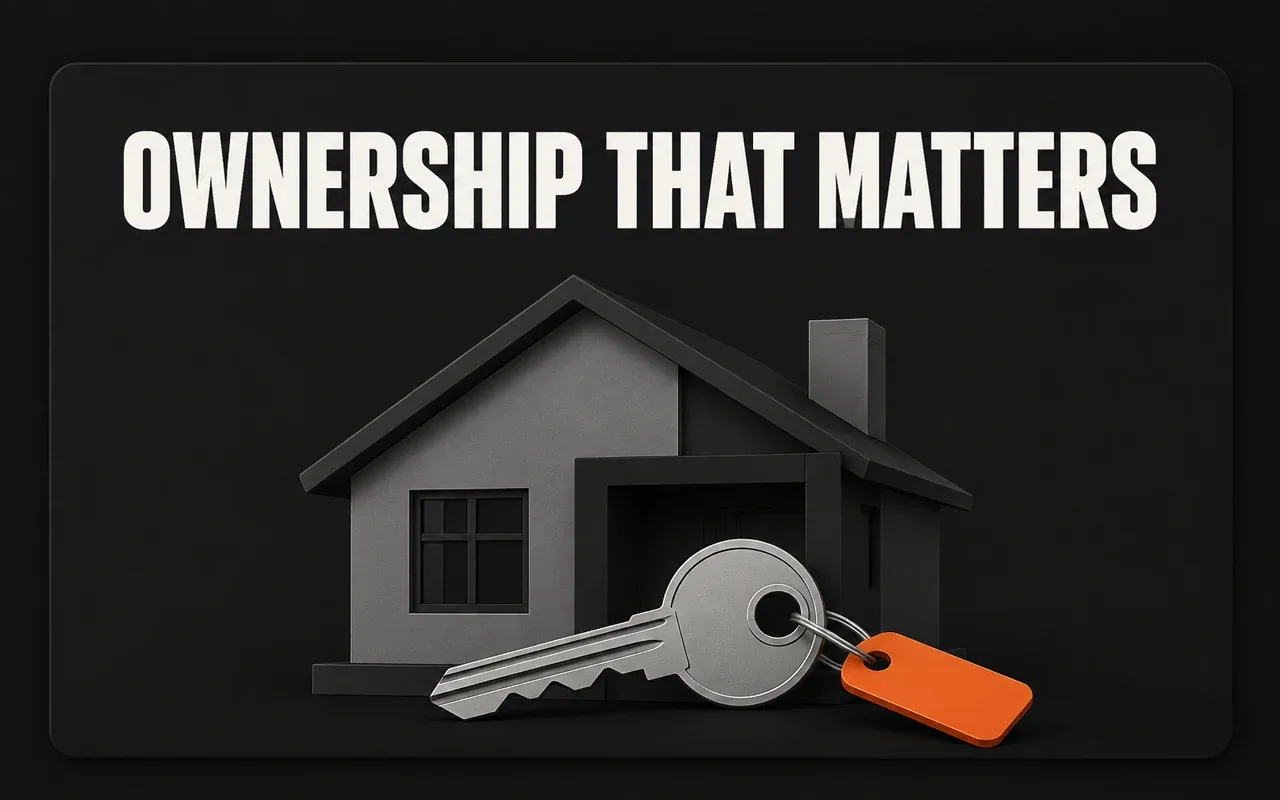
A solid fivem housing system transforms a generic roleplay server into a living world where players have genuine stakes in the environment. Ownership mechanics, persistent interiors, and well-tuned permission layers are what separate the servers people grind on for months from the ones they log into once and forget. Getting these systems right takes planning, but the payoff in player retention is hard to overstate.
Choosing the Right Housing Framework
Before installing anything, decide whether your server needs a standalone housing resource or a framework-integrated one. Standalone systems work with any base but often require manual bridging for inventories, phone notifications, and job checks. Framework-integrated housing shares the same player state so locks, keys, and ownership data stay in sync automatically. If you are running a QBCore server, start with resources built specifically for that ecosystem — the gap in compatibility quality between generic and framework-native is significant. QBCore-specific scripts and resources give you housing packs that already hook into the framework’s shared object and player metadata without any bridging work.
Interior Design and Zone Configuration
Players judge a housing system by how the interiors feel, not by the code behind them. Shell interiors should load without teleport jank, and the bounding zones for doors, stashes, and furniture placement need tight calibration. Oversized zones cause players to accidentally trigger neighbor interactions; undersized ones feel unresponsive. Use the smallest bounding box that still works at a normal walking pace. For high-density property areas, stagger zone IDs so a server restart never re-assigns ownership to the wrong player. Test every interior shell at both high and low server population — some resources that perform fine at ten players desync badly at eighty.
Ownership, Keys, and Permission Tiers
A flat owner-or-not model is the fastest path to griefing complaints. Build at least three tiers from day one: owner (full access, can transfer deed), trusted (enter freely, cannot sell or transfer), and guest (single-session entry granted by owner). Key systems that persist through server restarts are non-negotiable — players who log back in to find their locks reset will raise a support ticket every time. For high-end properties, consider a lockpicking mini-game with a visible cooldown so burglary is a risk rather than a certainty. The FiveM asset marketplace carries housing packs that include pre-built multi-tier key systems, locksmith job hooks, and deed transfer UIs — far less development time than rolling your own from scratch, and the most comprehensive starting point for any serious property system.
Persistent Stashes and Furniture Placement
Housing without persistent stashes is decoration. Players need a place to store weapons, cash, and contraband that survives restarts and is logically tied to the property address rather than a database ID that can drift on wipes. Use address-keyed stash identifiers rather than player-keyed ones so transferred properties carry their contents to the new owner — or empty on transfer, depending on your server rules; just be consistent and document it. Furniture placement systems should write positions to your database in real time, not on server shutdown, because crashes will wipe anything buffered in memory. Limit concurrent furniture scripts per property zone to avoid the frame-rate drops that come from dozens of prop streaming calls in a single area.
Property Economies and Rent Mechanics
Unchecked housing economies quickly produce monopolies where a handful of players own every desirable address and park alts in them. Introduce friction: weekly rent drawn from the owner’s bank, a maximum property count per player or per character, and automatic repossession after a configurable days-offline threshold. Rent rates should scale with interior quality and location, not just square footage — a flat rent model kills the mid-tier property market. If you want players to engage with a realtor job, gate deed transfers through an NPC or player-run agency rather than a direct menu option; it creates a natural chokepoint for market regulation. For the economic backend, production-ready FiveM systems and scripts include property economy packs with configurable rent intervals, repossession logic, and bank withdrawal hooks already wired up.
Security, Alarms, and Police Integration
Security features keep the housing system relevant after initial purchase excitement fades. Alarm systems should have a realistic delay before alerting police — instant alerts remove all tension from break-ins. Wire alarms to your dispatch resource so officers get a map blip with the correct address rather than a generic alert. Camera systems that store a short clip of the last person to enter add a detective layer that players genuinely engage with. If your server runs a security company job, give licensed companies the ability to install and monitor alarms on behalf of property owners for a weekly fee — it creates a sustainable player economy loop. Keep the alarm API surface small; systems with too many hooks become unmaintainable after a few resource updates.
Scaling Housing Across Server Growth
A housing system that works for fifty players often breaks at two hundred. The common failure points are zone query performance (checking which property a player is inside on every tick), stash load time during rush-hour logins, and database lock contention when many players enter or exit properties simultaneously. Profile your zone checks early — a spatial grid or quad-tree lookup beats a linear scan once you have more than thirty active properties. Cache ownership data server-side and invalidate on transfer rather than querying the database on every door interaction. If you are reviewing options before committing to a system, the buying guides on this FiveM scripts, maps and vehicles store break down performance characteristics and player-count recommendations for popular housing resources, which saves significant trial-and-error testing on a live server.
Housing done right gives players a reason to earn money, form relationships, and stay logged in between active roleplay sessions. The technical foundation — stable zones, persistent stashes, tiered permissions, and a sensible economy — takes time to configure but rarely needs touching once it is solid. Start with a framework-native resource, test under realistic load before launch, and build the economy mechanics before players find the exploits in a flat system.