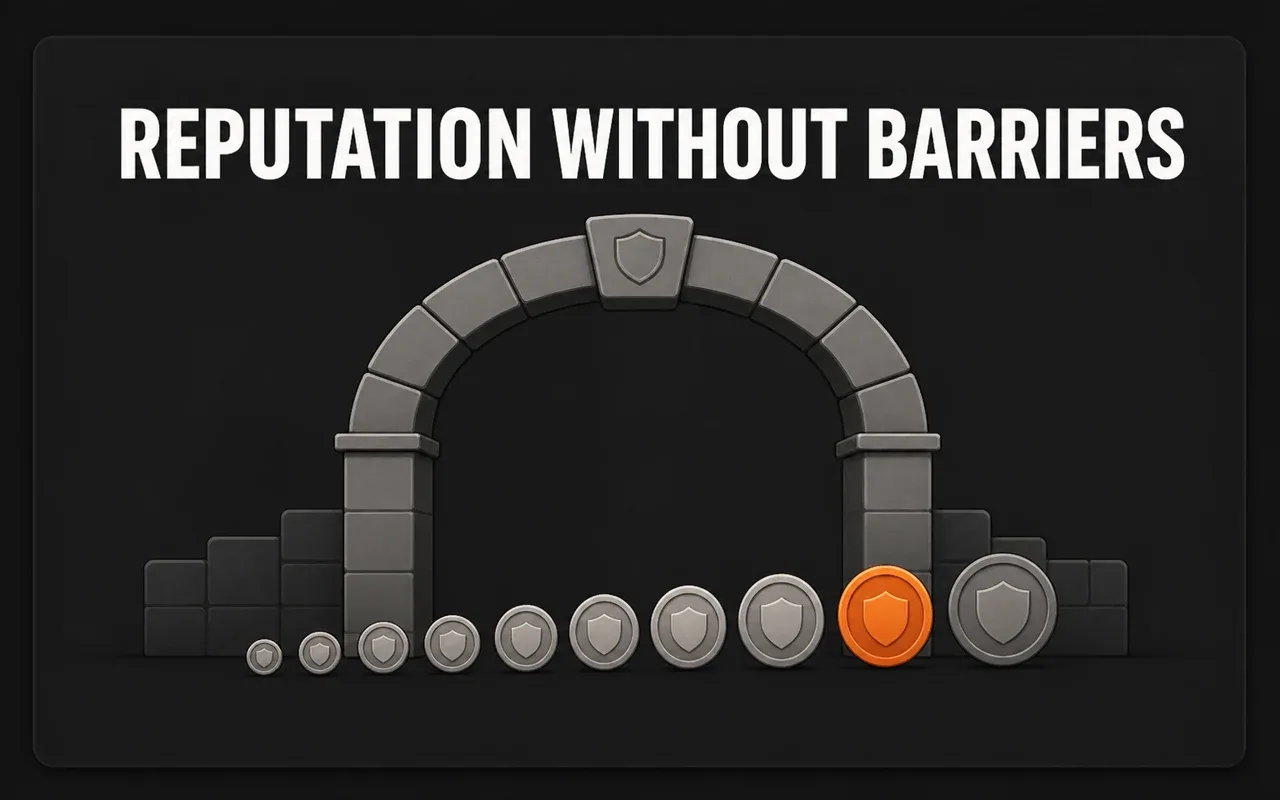
Most FiveM servers differentiate players by wealth and rank. Reputation systems add a third axis: standing. A well-designed reputation system rewards consistent, long-term play in a way that job progression and bank balance never quite capture. The challenge is designing one that motivates veterans without becoming a wall that new players cannot see over.
What Reputation Systems Actually Do
A reputation system tracks a player’s history with a faction, a business, a city government, or the community itself and surfaces that history as a numerical or tiered score. That score then gates or unlocks things of value. The value proposition must be genuine — cosmetic perks only go so far. The best reputation gates are:
- Access to high-earning job tiers (a gang soldier with high rep gets more dangerous contracts)
- Prices on legal or illegal goods (a trusted client gets a discount at the mechanic; an untrusted one pays full price)
- Exclusive MLO zones (a VIP club that only opens to citizens above a standing threshold)
- Priority in roleplay queues (high-standing whitelisted players get shorter wait times)
The Three Reputation Models
Faction Standing
Tied to a specific job or group — police, EMS, gang, government. A police officer’s standing with the LSPD affects their rank speed, their locker inventory cap, and which vehicles they can check out. A gang member’s standing with their crew affects pay tier and whether they’re trusted for high-risk jobs. This model is tight and contextual, which makes it easy to balance: the rewards are only relevant inside the faction.
City-Wide Citizen Reputation
A single score that reflects overall conduct: time played, infractions against server rules, positive interactions logged by staff, completed civic events. Think of this as the server’s version of a credit score. High city rep unlocks the nicest residential properties, access to exclusive businesses, and vendor discounts. Low rep — from rule violations or documented crime — limits what a character can access publicly. The challenge here is that it needs to be transparent enough that players trust the scoring and visible enough that they are motivated to improve it.
Business-Specific Trust
Granular and RP-dense. A black market contact will only deal with characters who have built trust through prior transactions. An illegal arms dealer has a tier list: new contacts get small quantities at bad rates; a trusted long-term customer gets better product and pricing. This model is the most immersive and the most admin-intensive — someone has to manage the NPC or player-controlled vendor logic behind it.
Designing Against the Wall Problem
Reputation systems fail when new players encounter them as barriers rather than incentives. Design principles that keep them welcoming:
- First-tier benefits arrive quickly: a player should feel the system within their first week, not their first month. A small reputation bonus that unlocks a clothing category or bumps their job pay by 5% signals that the system is active and working in their favour.
- Multiple tracks: a player who plays criminal RP should not be locked out of civilian rep rewards, and vice versa. Parallel tracks let players specialise without being penalised for the RP they enjoy.
- Floor, not ceiling: reputation removes friction, it doesn’t add it. A new player without rep should still be able to do everything. Reputation makes things easier or richer, not mandatory.
Technical Implementation
Reputation systems in FiveM typically run as standalone resources that write to a dedicated database table and expose exports for other scripts to read. The cleanest implementations:
- Use the player’s citizenid (QBCore) or identifier (ESX) as the foreign key — not Steam hex, which can change
- Emit server events when rep changes so other scripts (housing, jobs, phone) can react in real time
- Write an admin panel or in-game command so staff can audit and adjust scores with logged reasons
For the job scripts that connect directly to reputation gating — so a player’s standing with their faction affects their tier and pay — the catalogue on store-tebex.io includes job management scripts with grade progression that pairs naturally with rep hooks. And if you’re building out the community-facing side of your reputation system — how players find out about it, how it connects to your Discord — the community design guides on Tebex cover the broader engagement layer.
Seasonal Reputation Resets and Prestige
Some servers run quarterly reputation resets with a prestige system: players who finish the season above a threshold carry a visible badge and a permanent minor bonus, while the rep score itself resets. This keeps the system competitive and motivating long after initial novelty fades. It also gives every new wave of players a fair shot at the board rather than facing a permanent deficit against day-one characters.
Reputation done well is the quiet architecture that makes a FiveM server feel like a community instead of an instance. Players who are invested in their standing behave better, engage more richly, and stay longer. That alone is worth the configuration work.